
B.E. Mechanical Engineering
B.E. Mechanical Engineering
Affiliation:
Anna University, Chennai
Duration:
4 Years
About the Department
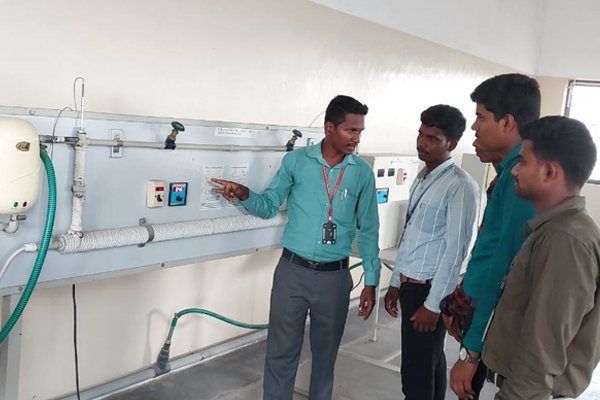
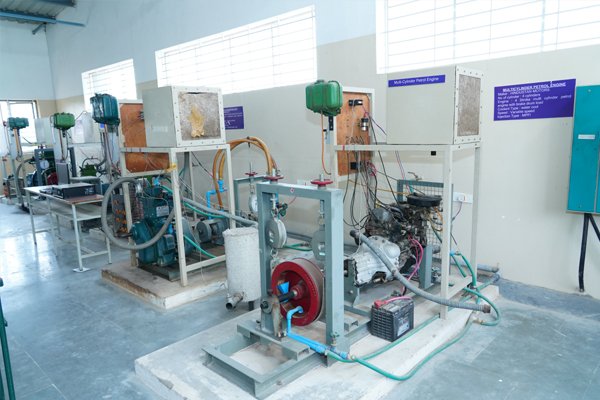
The Department of Mechanical Engineering at Sri Ramakrishna College of Engineering is committed to developing highly competent engineers equipped with analytical thinking, technical proficiency, and strong problem-solving abilities. Established with a focus on core engineering excellence, the department provides a perfect blend of theoretical foundation, experimental learning, and modern technological exposure.
Backed by experienced faculty, state-of-the-art laboratories, and industry-driven learning modules, the department prepares students to excel in manufacturing, design, thermal engineering, automotive, energy systems, and various interdisciplinary domains. The department also encourages innovation, research, and entrepreneurship through workshops, industrial visits, internships, and project-based learning.
Vision
- To be an eminent of Centre of Excellence in the field of Mechanical Engineering, where teaching, learning and research synergize to deliver technical education and scientific research for public good.
Mission
- To impart quality education to create efficient Mechanical Engineers who can compete at the global level.
- To build state of the art research facilities in Mechanical Engineering in order to enable the faculty and students to learn and disseminate knowledge and innovate in their applications.
- To foster the spirit of entrepreneurship and encourage consultancy to enable all round personality development in students.
- To improve communication skills to excel in higher studies and placements.
- To facilitate teamwork culture and improve the social standards and quality of life of graduates.
- To improve the research activities of the students.
Programme Highlights
- Strong emphasis on core engineering concepts such as design, manufacturing, thermal sciences, and materials engineering.
- Advanced training in CAD/CAM, robotics, mechatronics, additive manufacturing, and automation technologies.
- Hands-on experience through modern labs, workshops, and real-time industrial exposure.
- Regular industrial visits, internships, seminars, and skill development programmes.
- Curriculum aligned with current industry requirements and emerging engineering trends.
- Student participation in SAE events, technical competitions, and research projects.
- Faculty with extensive academic knowledge and practical experience.
- Personality development, communication skill enhancement, and placement training.
- Opportunities for innovation, prototype development, and entrepreneurship initiatives.
About the Curriculum
The curriculum offers a balanced foundation in theoretical knowledge and practical skills, structured across eight semesters.
Skill-Based Components
- Hands-on workshop training
- Mini projects & final year capstone
- Internships in industries
- Certification programmes (AutoCAD, SolidWorks, ANSYS, etc.)
- Industrial case studies & field projects
Elective / Advanced Courses
- Robotics & Automation
- Renewable Energy Systems
- Additive Manufacturing
- Computational Fluid Dynamics
- Automobile Engineering
- Industrial Safety Engineering
- Product Design & Development
Core Subjects
- Engineering Mechanics
- Strength of Materials
- Thermodynamics
- Fluid Mechanics & Machinery
- Manufacturing Technology
- Heat Transfer
- Kinematics & Dynamics of Machinery
- Design of Machine Elements
- Thermal Engineering
- Mechatronics
- Computer-Aided Design & Drafting
- Finite Element Analysis
- Refrigeration & Air Conditioning
Labs & Facilities
The department is equipped with laboratories that meet academic, research, and industry standards:
- Manufacturing Technology Lab
- Strength of Materials Lab
- Fluid Mechanics & Machinery Lab
- Thermal Engineering Lab
- Heat Transfer Lab
- Mechatronics Lab
- Computer-Aided Machine Drawing Lab
- CAD / CAM Laboratory
- Workshop & Fitting Section
- Project & Research Laboratory
All labs include modern equipment, CNC simulators, drafting tools, testing machines, and licensed simulation software.
Faculty List
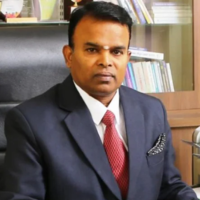
Dr. M. Saravanan
M.E., Ph.D.
Senior Professor & Principal
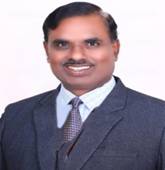
Dr. S. Selvakumar
M.E., Ph.D., F.I.E., M.I.S.T.E.
Professor & COE
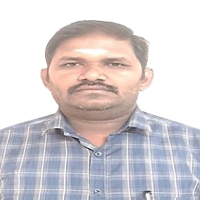
Mr. B. Saravanan
M.E., (Ph.D.)
Assistant Professor &
Vice-Principal
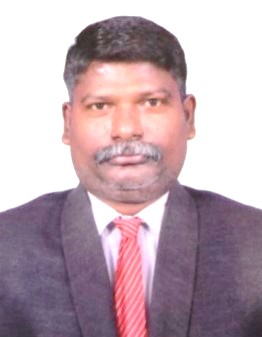
Dr. D. Rajkumar
M.E., Ph.D.
Associate Professor & HOD
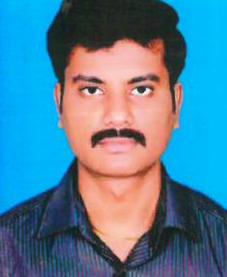
Mr. A. T. Jothis
M.E., (Ph.D.)
Assistant Professor
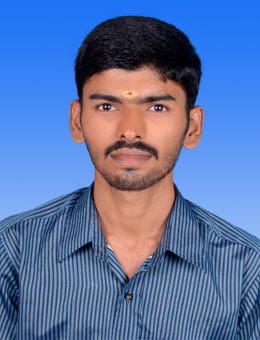
Mr. M. Madhubalan
M.E.
Assistant Professor
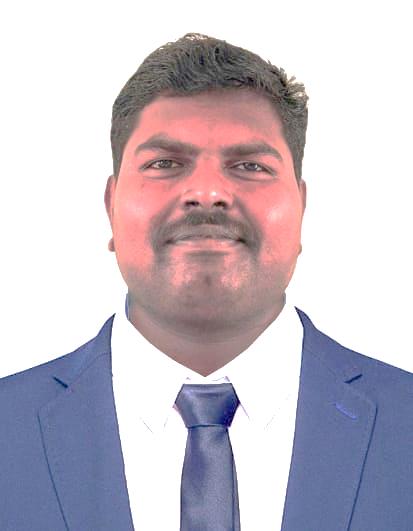
Mr. K. Dinesh Kumar
M.E., MBA, (Ph.D.)
Assistant Professor
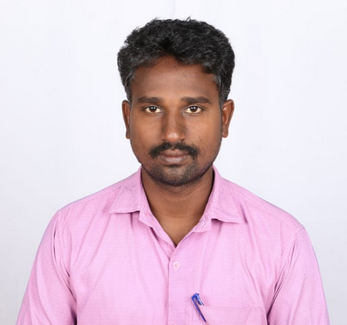
Mr. P. Selvakumar
M.E.
Assistant Professor
Mr. A. Raja
M.E.
Assistant Professor
Career Pathways
Mechanical Engineering graduates can build successful careers in:
- Manufacturing & Production Engineering
- Automotive Engineering
- Aerospace Engineering
- Thermal Power Plants
- Design Engineering (CAD/CAM/CAE)
- Quality Control & Inspection
- Oil & Gas Industry
- Energy & Renewable Technologies
- Industrial Automation & Robotics
- HVAC & Refrigeration Systems
- Research & Development (R&D)
- Maintenance & Operations Engineering
Opportunities exist in public sector units, private industries, MNCs, government organizations, and global engineering firms.
Higher Studies Opportunities
Graduates can pursue:
M.E. / M.Tech. in
- Thermal Engineering
- Manufacturing Engineering
- Engineering Design
- Mechatronics
- CAD/CAM
- Industrial Engineering
- MBA in Operations / Logistics / Management
- M.S. Abroad in Mechanical, Automotive, Energy, or Robotics
- GATE, CAT, UPSC, TNPSC, SSC-JE examinations
- Research opportunities in national labs and international universities